
RFQ Checklist
- Start-up load characteristics (fan/pump curve)
- Controller type (BEMF zero-crossing or FOC)
- Operating voltage, target speed, and continuous current
- Environmental factors (temperature, moisture, vibration)
Reliable two-wire or three-wire sensorless micro BLDC motors for fans, pumps, and blowers where continuous high-speed operation reduces the need for position sensors.
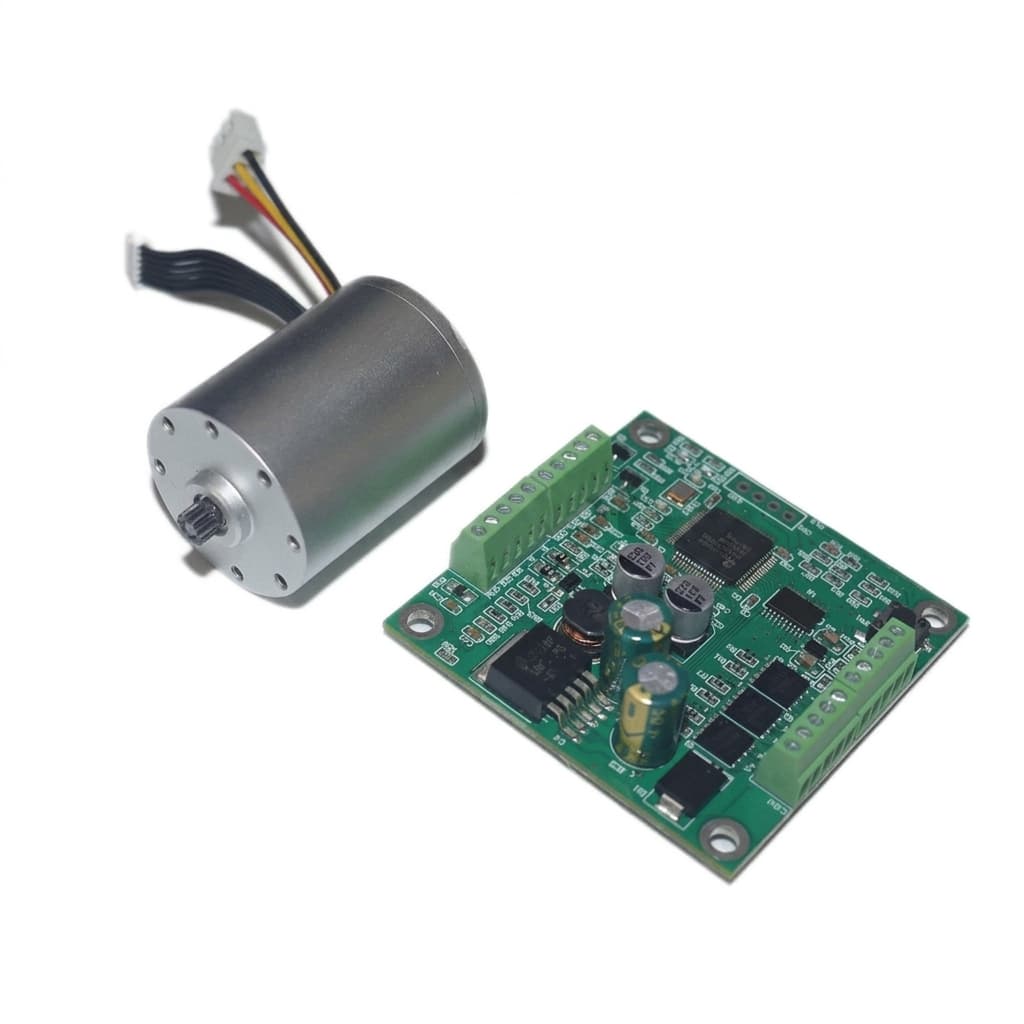
Best-fit buyer
For design teams reducing wiring complexity and component count in continuous-running applications.
Validate Before Sampling
RFQ Data That Changes the Quote
| Stage | Buyer Input | Factory / QC Checkpoint | Decision Output |
|---|---|---|---|
| RFQ feasibility review | Start-up load characteristics (fan/pump curve); Controller type (BEMF zero-crossing or FOC) | Match motor back-EMF profile to the sensorless controller | Feasibility notes, missing parameters, and sample direction. |
| Sample definition and validation | Operating voltage, target speed, and continuous current; Environmental factors (temperature, moisture, vibration) | Wire count: 3-wire (U, V, W) or integrated 2-wire | Controlled sample scope with measurable acceptance criteria. |
| Pilot lot and repeat production | Pilot quantity, annual forecast, revision baseline, and destination | Start-up stutter or failure under heavy load: Test sensorless start-up sequence with the exact impeller/fan load and controller before production. | Pilot records tied to startup load margin and outgoing inspection. |
| Metric | Typical Range | Why It Matters |
|---|---|---|
| Wire count | 3-wire (U, V, W) or integrated 2-wire | Reduces connector size, harness cost, and failure points in harsh environments. |
| Startup load margin | Validated with the actual fan, impeller, pump, or propeller load | Sensorless motors can fail to start when back-EMF is weak and starting load is high. |
| Minimum controllable speed | Controller-dependent, with Hall or encoder options reviewed for low-speed duty | Continuous high-speed loads suit sensorless control better than low-speed positioning tasks. |
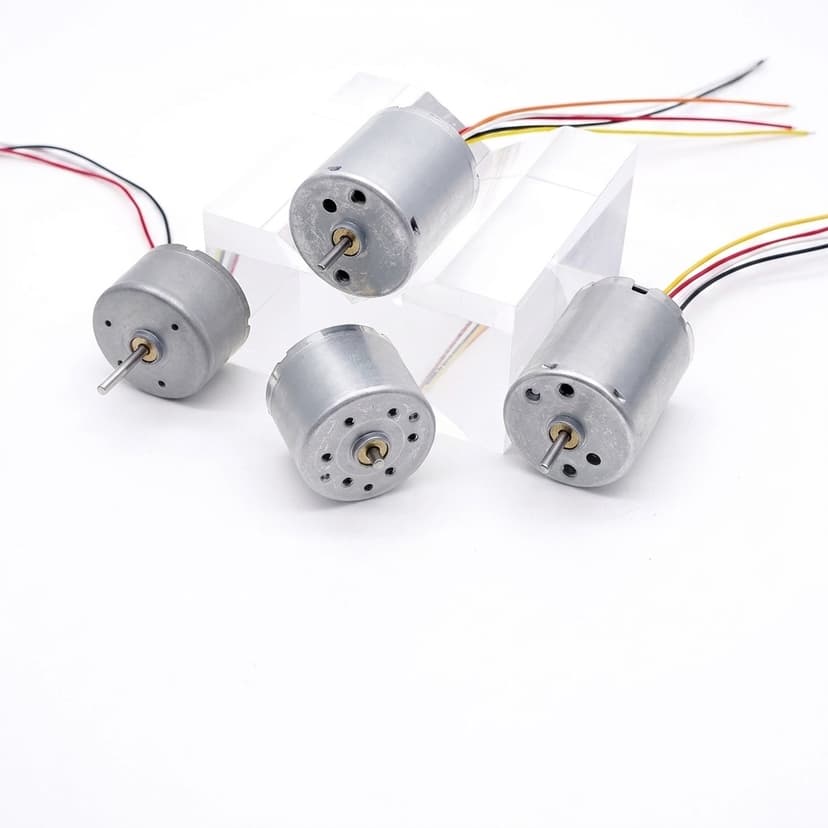
Sensorless control relies on back-EMF, which is weak at low speeds. For low-speed precision, Hall or encoder options are recommended.
It is a poor fit when the device needs high starting torque, stable very-low-speed operation, precise positioning, or unknown load changes at startup.
Inquiry Email
Include motor type, OD, voltage, speed, load, quantity, and destination.