
RFQ Preparation Checklist
- Vibration and noise limits with mounting details
- Speed stability requirements (wow and flutter)
- Operating temperature and environmental cleanliness (e.g., cleanroom)
- Feedback resolution needed for precise speed control
Low-vibration micro BLDC motors for optical equipment, laboratory devices, analyzers, and metrology instruments.
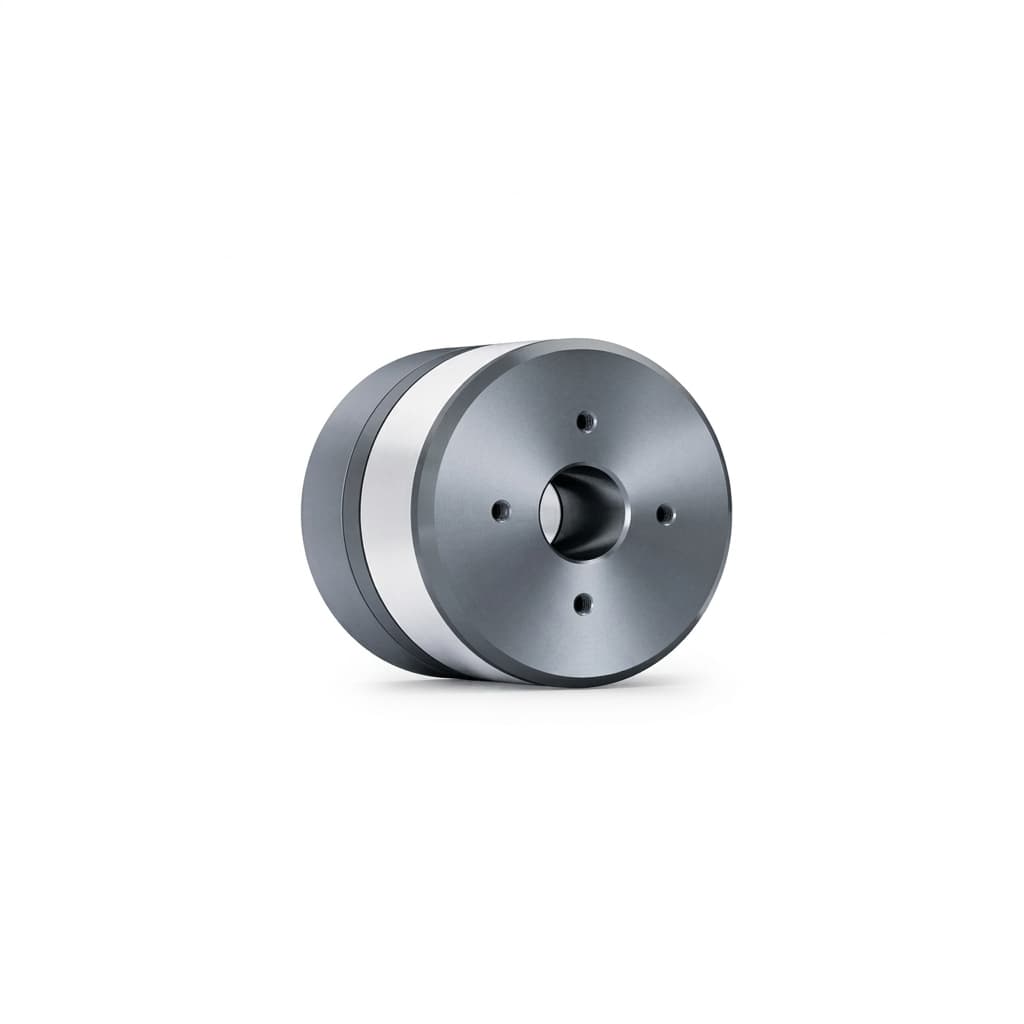
Representative visual. Test, certification, cleanroom, balancing, noise, thrust, lifetime, and compliance evidence is request-scoped by model and condition.
Best-fit buyer
For R&D teams building instruments where motor vibration or speed fluctuation ruins measurement accuracy.
Validate Before Product Integration
Application Inputs That Change Selection
| Stage | Buyer Input | Factory / QC Checkpoint | Decision Output |
|---|---|---|---|
| RFQ feasibility review | Vibration and noise limits with mounting details; Speed stability requirements (wow and flutter) | Reduce cogging torque through motor architecture selection | Feasibility notes, missing parameters, and sample direction. |
| Sample definition and validation | Operating temperature and environmental cleanliness (e.g., cleanroom); Feedback resolution needed for precise speed control | Speed ripple / Cogging: Low target defined by application and architecture | Controlled sample scope with measurable acceptance criteria. |
| Pilot lot and repeat production | Pilot quantity, annual forecast, revision baseline, and destination | Mechanical resonance amplifies motor vibration: Test the motor within the actual instrument chassis to identify and avoid resonant frequencies. | Pilot records tied to emi sensitivity and outgoing inspection. |
| Evaluation Metric | Typical Range | Buyer Relevance |
|---|---|---|
| Speed ripple / Cogging | Low target defined by application and architecture | Prevents optical distortion and maintains fluid dosing precision. |
| EMI sensitivity | Reviewed against sensor, PCB, cable, controller, and grounding layout | Precision instruments can fail measurement repeatability when motor and controller noise couples into sensors. |
| Bearing and runout | Bearing class, shaft runout, preload, and rotor balance defined by instrument tolerance | Mechanical runout and bearing vibration can be more damaging than nominal torque error. |
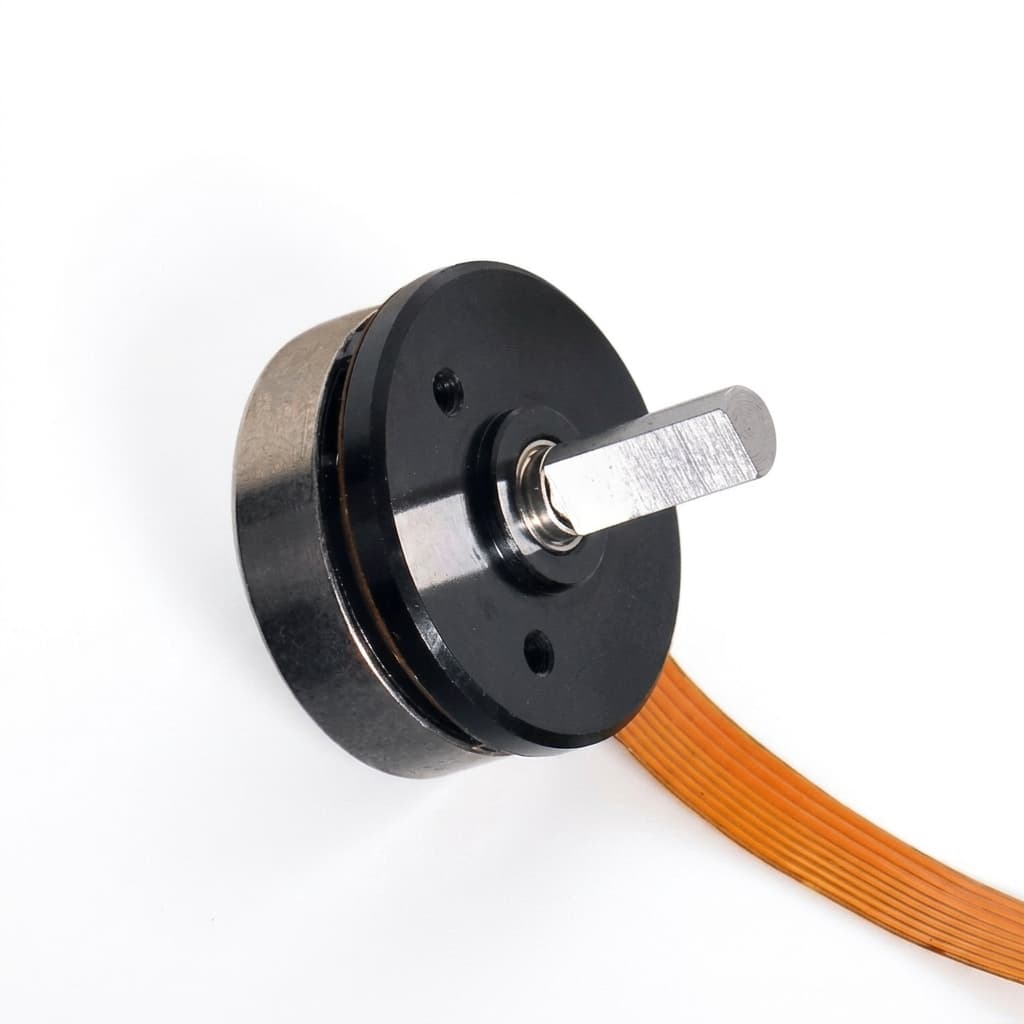
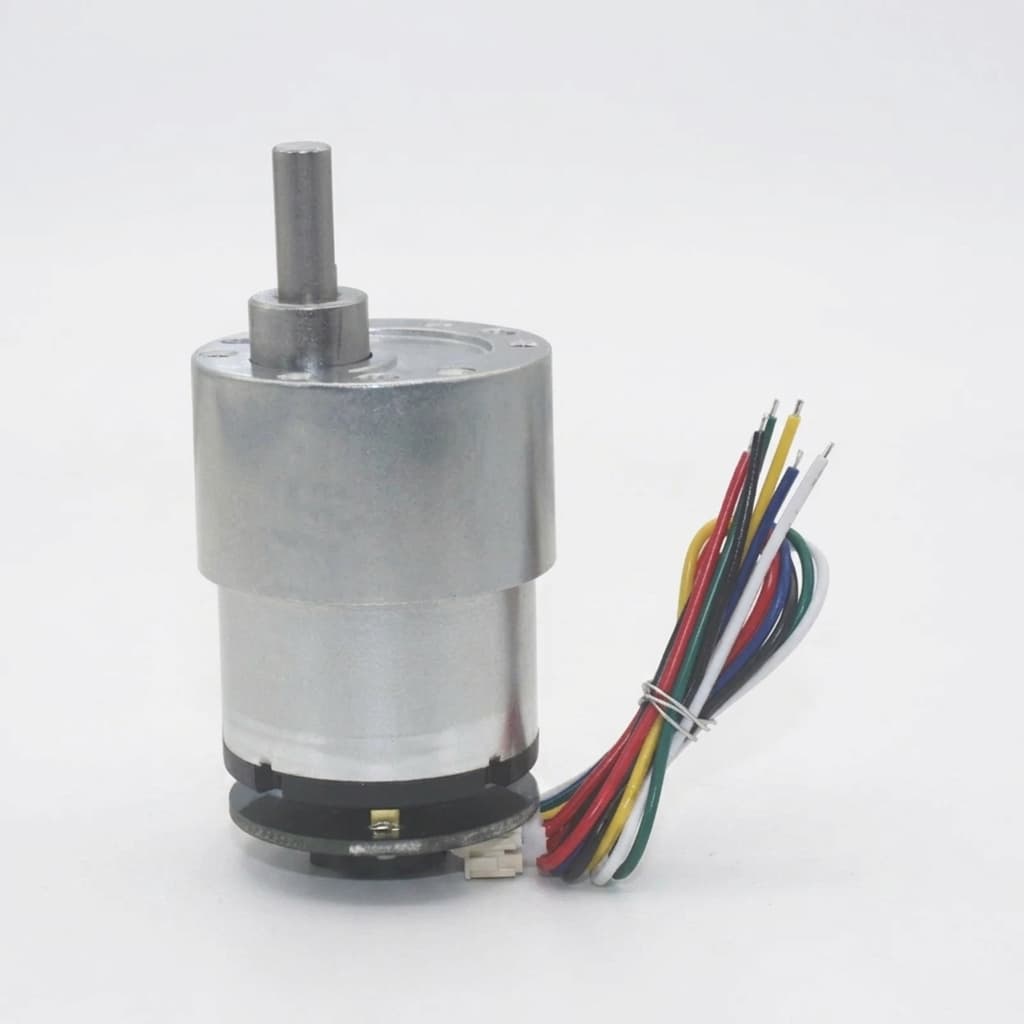
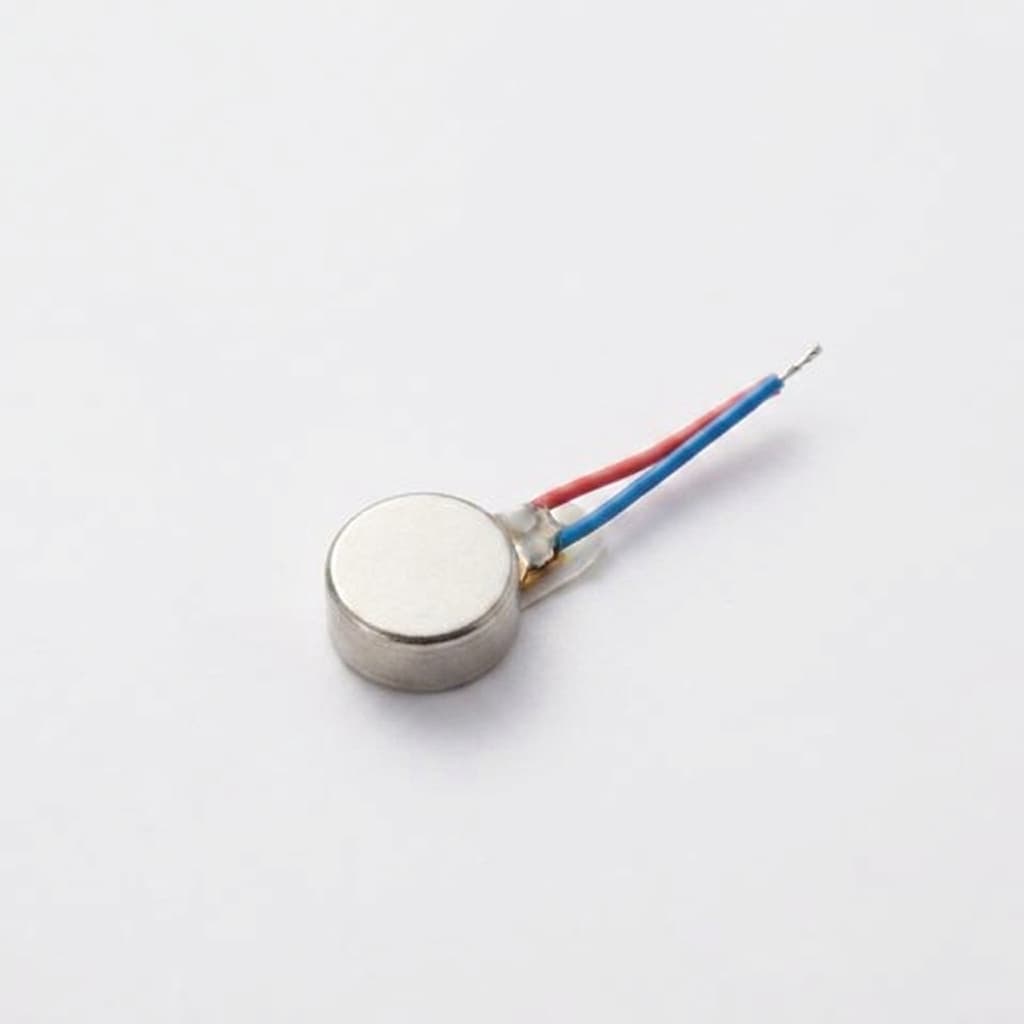
Representative visual. Test, certification, cleanroom, balancing, noise, thrust, lifetime, and compliance evidence is request-scoped by model and condition.
We use bearing selection, dynamic rotor balancing, and can recommend slotless or coreless designs to reduce cogging under agreed test conditions.
Consider them when cogging, low-speed ripple, rotor inertia, or vibration affects measurement quality more than the lowest component cost.
Inquiry Email
Include motor type, OD, voltage, speed, load, quantity, and destination.