
Datasheet fit check
Voltage, speed, torque, current, thermal, and life targets.
Lightweight coreless micro BLDC motors for applications requiring low inertia, rapid acceleration, high efficiency, and compact packaging.
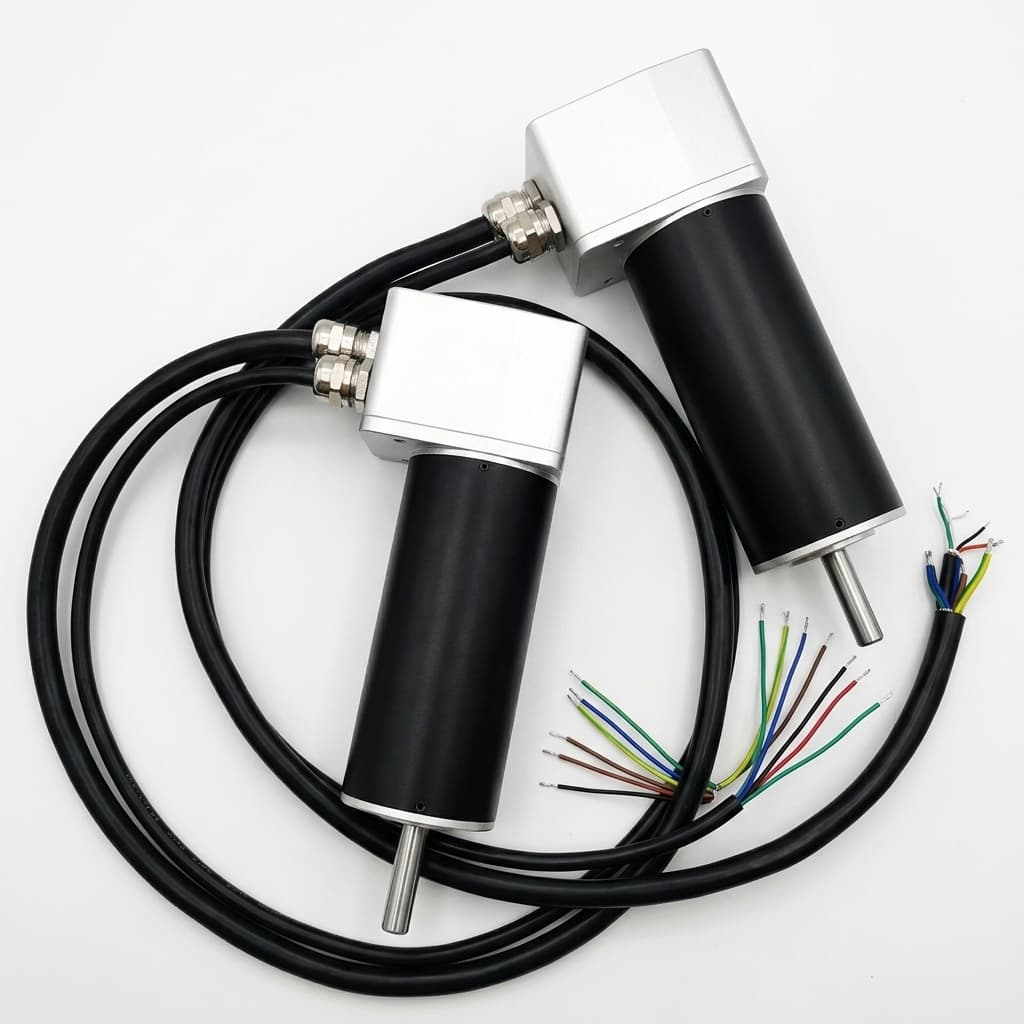
Representative visual. Test, certification, cleanroom, balancing, noise, thrust, lifetime, and compliance evidence is request-scoped by model and condition.
Controlled technical documents
Public generic files can mislead OEM selection when winding, bearing, connector, test fixture, or acceptance criteria are still open. Technical documents are shared after model, revision, NDA, test condition, and destination scope are confirmed.
No placeholder certificates, stock proof photos, or generic public CAD downloads are published from this request block.
Voltage, speed, torque, current, thermal, and life targets.
Shaft, flange, connector, cable, and assembly interface.
Noise, load, vibration, endurance, and inspection records.
Best-fit buyer
Ideal for R&D engineers who need low inertia and high output in a compact micro motor envelope.
Validate Before Sampling
RFQ Data That Changes the Quote
| Stage | Buyer Input | Factory / QC Checkpoint | Decision Output |
|---|---|---|---|
| RFQ feasibility review | Acceleration and dynamic torque requirements; Maximum allowable weight and diameter | Match torque constant and inertia to dynamic load requirements | Feasibility notes, missing parameters, and sample direction. |
| Sample definition and validation | Duty cycle, ambient temperature, and heat sink availability; Operating voltage and current limits | Rotor Inertia ($J$): Project-specific low-inertia target | Controlled sample scope with measurable acceptance criteria. |
| Pilot lot and repeat production | Pilot quantity, annual forecast, revision baseline, and destination | Winding overheating from unsuitable driver settings: Review PWM frequency, current limit, load profile, and thermal margin before sample approval. | Pilot records tied to phase inductance ($l$) and outgoing inspection. |
| Metric | Typical Range | Why It Matters |
|---|---|---|
| Rotor Inertia ($J$) | Project-specific low-inertia target | Supports faster start/stop dynamics when inertia, load, and driver limits are matched. |
| Phase Inductance ($L$) | Reviewed against the selected driver and winding | Low-inductance designs need driver review to manage current ripple and temperature rise. |
| Cogging and speed ripple | Reduced by architecture selection, winding, balance, and controller tuning | Smooth motion matters for pumps, optical devices, prosthetics, and other low-vibration assemblies. |
Requestable Evidence Pack
Use this evidence package to keep motor claims connected to load, fixture, controller, drawing revision, and acceptance criteria before sampling or production release.
RFQ note
Do not treat quiet, long-life, efficient, or compliant as a generic claim. Confirm the measured condition, buyer fixture, sample lot, and acceptance rule for this program.
Locks the motor envelope, voltage, speed, load, shaft, connector, and revision basis before quote comparison.
Keeps current, speed, torque, power, and temperature claims tied to the real test condition.
Prevents low-noise claims from being detached from fixture, distance, controller, load, and device resonance.
Turns long-life wording into hours, cycles, environment, load, and failure criteria that can be reviewed.
Inquiry Email
Opens with the evidence checklist and buyer inputs prefilled.
Instant Chat
+86 18857971991
Use when you need a quick document-scope check before a full RFQ.
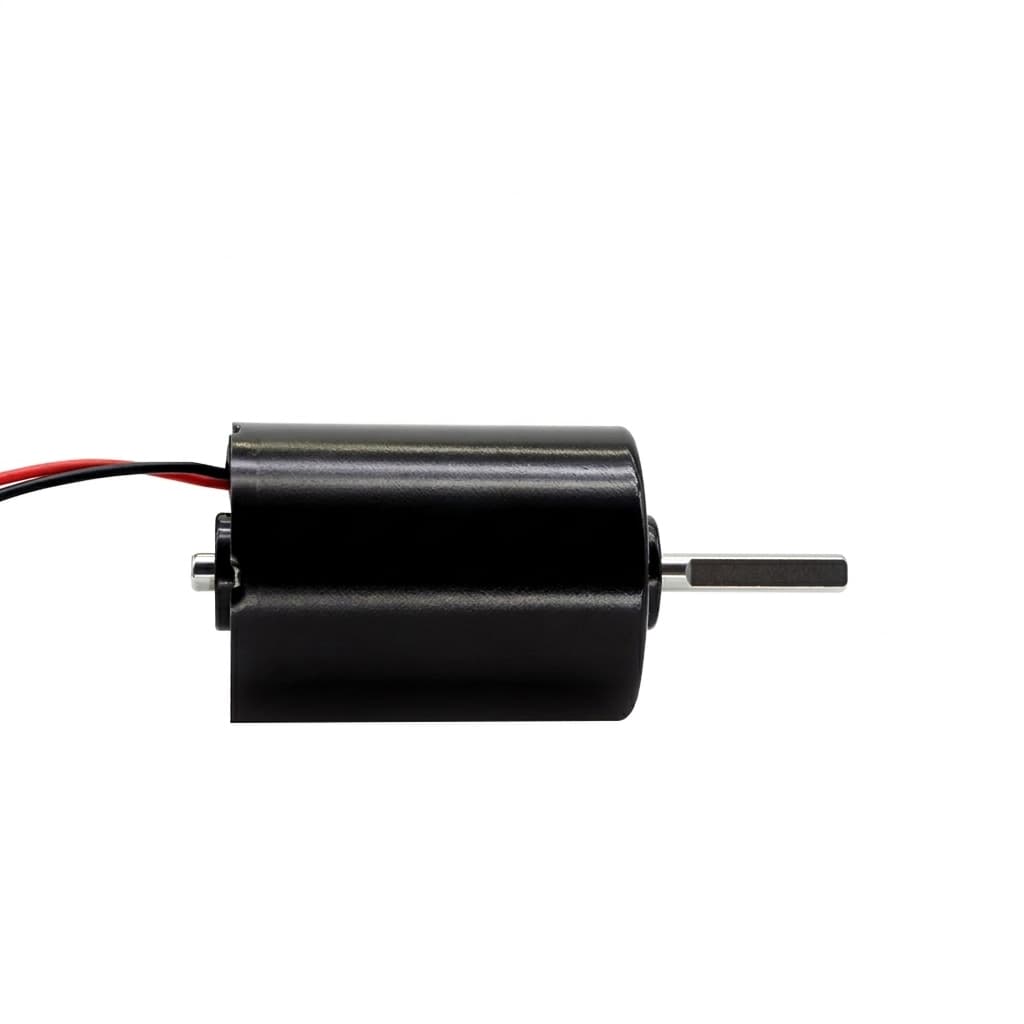
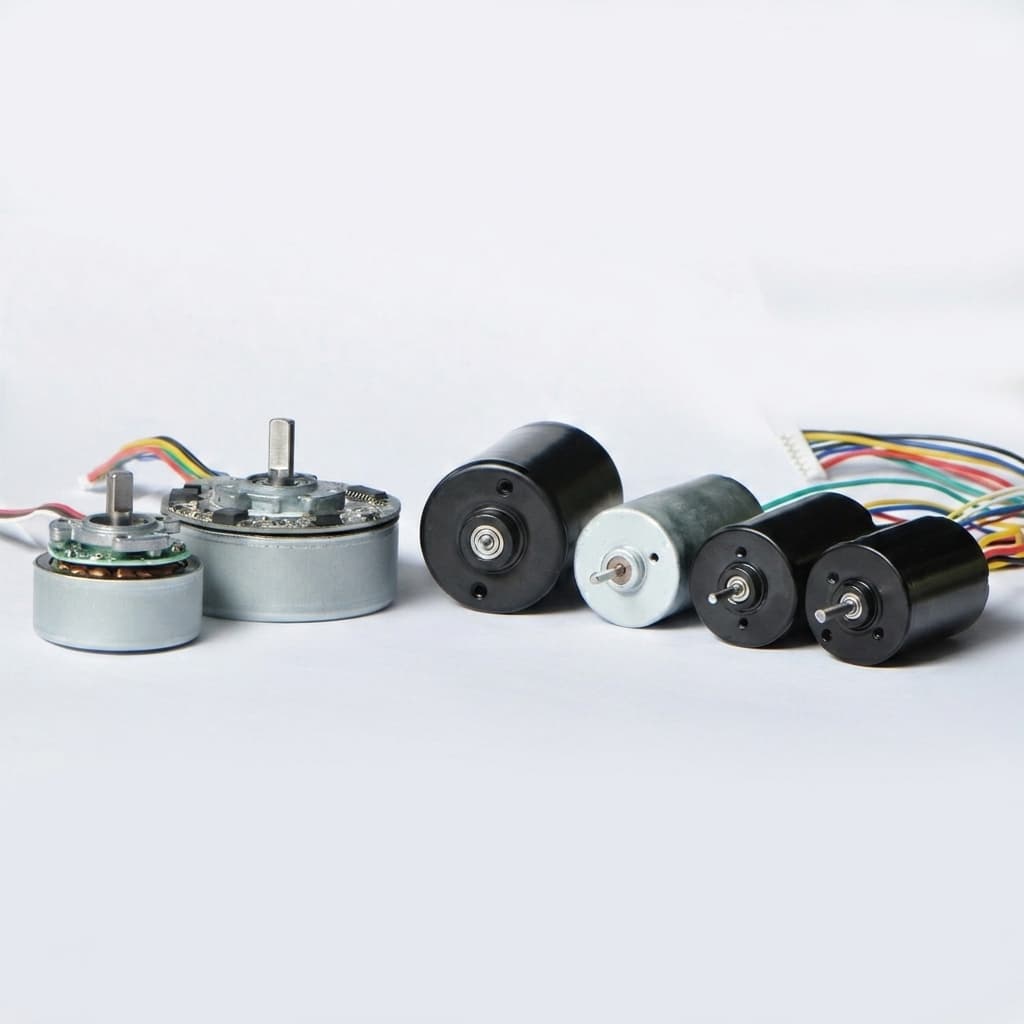
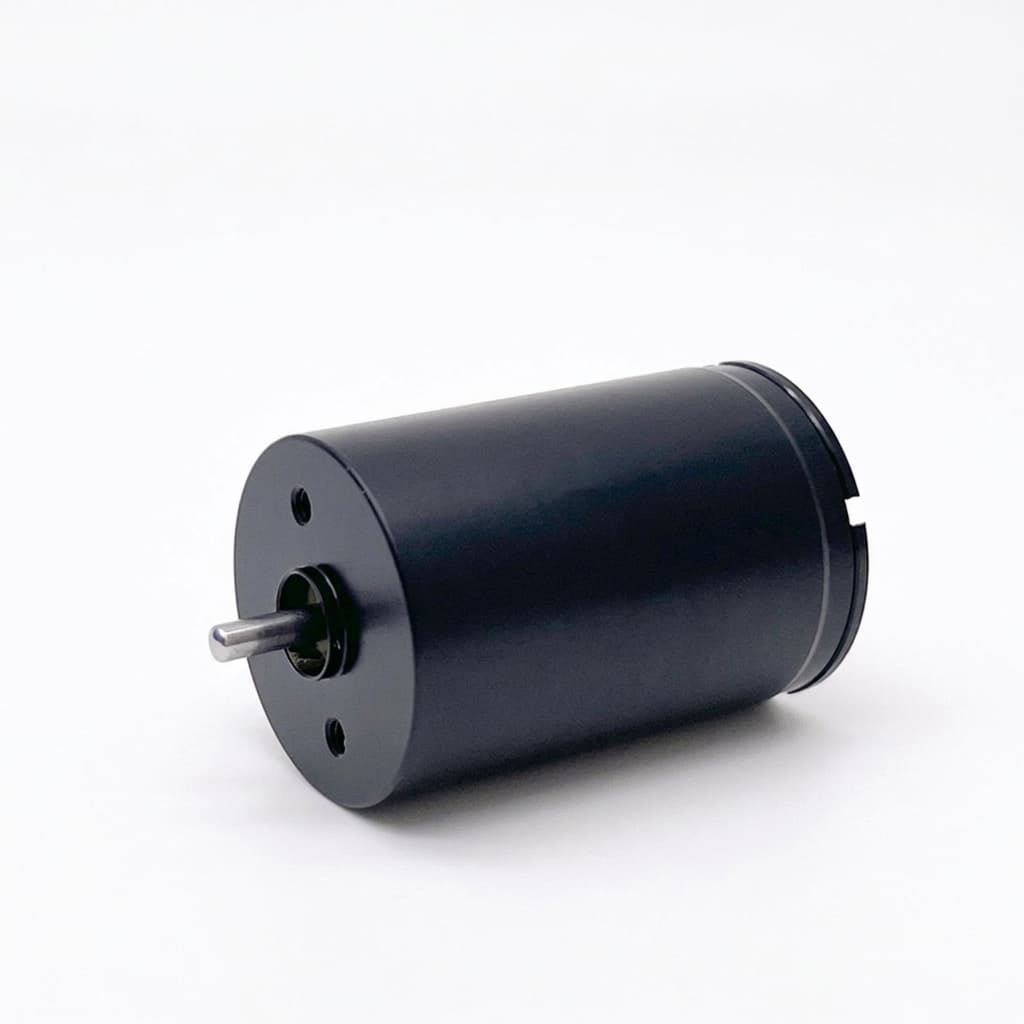
Representative visual. Test, certification, cleanroom, balancing, noise, thrust, lifetime, and compliance evidence is request-scoped by model and condition.
Choose coreless when you need reduced cogging, smoother low-speed control, or rapid acceleration where rotor inertia must be minimized.
The main risk is heat and driver mismatch. Coreless designs need current limits, PWM settings, duty cycle, and thermal path reviewed early.
Inquiry Email
Include motor type, OD, voltage, speed, load, quantity, and destination.